on happiness
What We Do
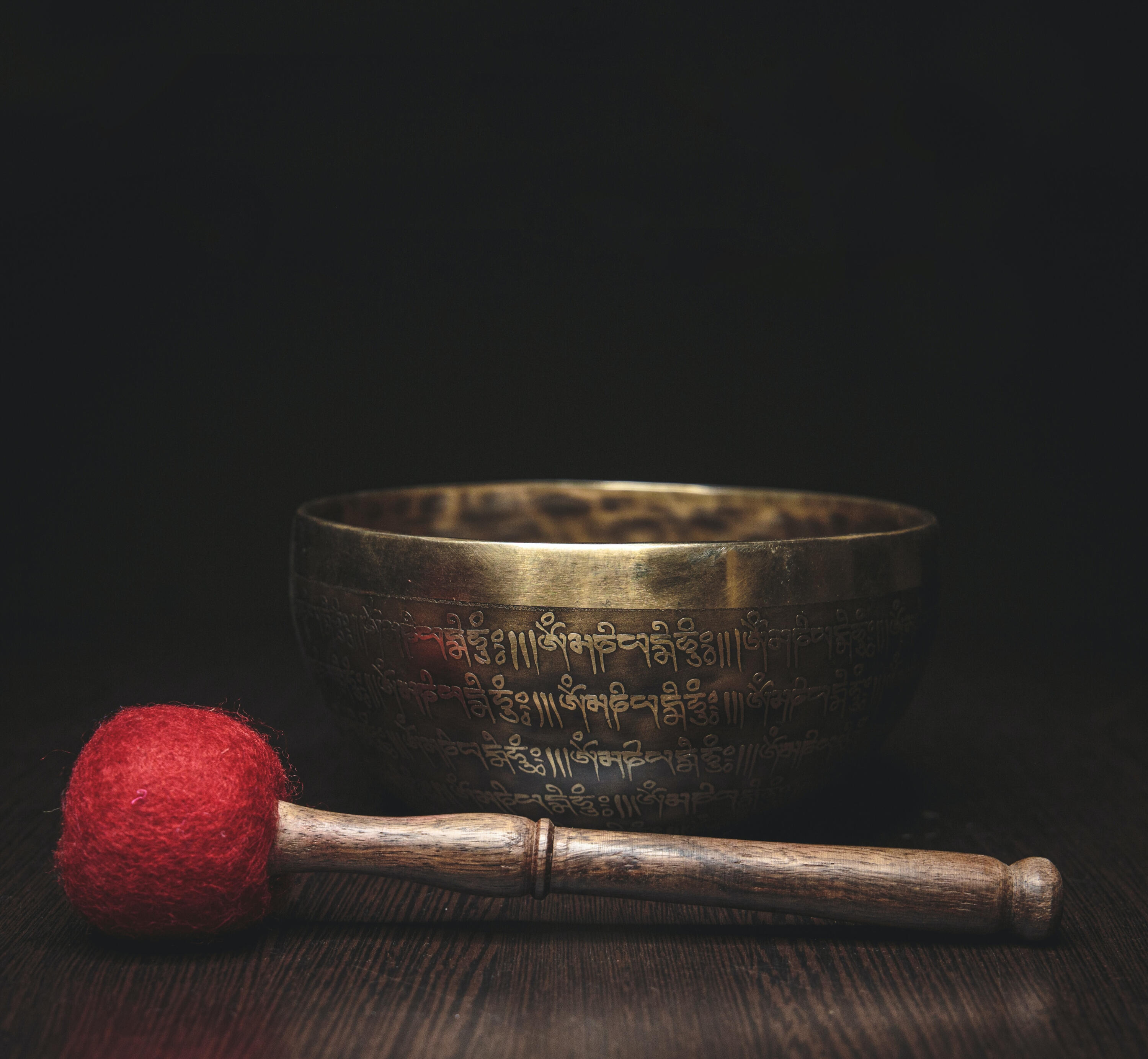
Ancient philosophy teaches us that happiness is not based on instant gratification. It is also not something that can be pursued, contrary to popular belief. Happiness is a lifetime process and we are committed to helping guide the journey. So we do things a little different here. We don't guarantee happiness because as it is not something that can be guaranteed. We only provide a manual backed up by scientific research and thousands of years of tradition. The rest depends on you. This was not the result of any burnout or sudden wake up call. There was never any corporate background either. We were onto this stuff from the beginning. Philosophy together with self inquiry and a growth mindset have always been the way forward. Along the way, and after many years of practice, education and experience, the way to the truth became visible, through a key tool: meditation. But meditation is not a set of breathing exercises. It is a way of life. A way of relating to ourselves, to others and the world. A way to calibrate body and mind that brings harmony between the internal and the external. The goal is not to help create productive employees or successful businesses. The goal is to bring back humanity where it is lost. Once that is achieved, the rest follows. Organically. By combining neuroscience with Eastern contemplative practice and philosophy from authentic meditation traditions, we create unique mentorship, which in itself as a process is the core of this journey's path to sustainable positive mental pathways.
Photo by Petr Sidorov.

Individuals
Mindfulness helps to quiet the mind (logic) so we can listen to the heart (wisdom) in order to engage with life more fully, gain insight and self-awareness, improve relationships, and advance societal growth. There are short-term (intensive) or long-term mentorship programs, adjustable to different lifestyles and financial needs, as well as daily, weekly and monthly mindfulness support plans with options for unlimited access to live mindfulness guidance, on a sliding scale. All programs are based on mindfulness’ latest scientific study, its originating roots in Eastern philosophy and the way those connect to the science of happiness. Furthermore, an international trusted network of mind-body practitioners is available to provide a community and to accommodate all time zones for continuous support. Photo: Colton Duke

Education
We create bespoke, research-based mindfulness programs, for the needs of various educational institutions and cultural organizations, whether it is for staff or/and their audience and students, with the goal of helping human development from an early stage, towards an authentic and integral sense of purpose, self-awareness and social responsibility. Twenty per cent of all profits go to wildlife conservation sanctuaries. Private mentorship is also offered to kids and teens. Get in touch to find out more. Photo: Raimond Klavins

Environmental Sustainability
A percentage of the proceeds go to wild animal sanctuaries and endangered species rescue and rehabilitation centers around the world. Is your lifestyle in conflict with the needs of our planet and natural world? Organisations we have donated funds to so far include International Fund for Animal Welfare (IFAW) and Born Free. Photo: Geranimo
What We Don't Do
We do not offer psychological services for clinical disorders like depression, generalized anxiety disorder, phobias, etc. Unlike psychology, which helps treat negative mental states, mindfulness meditation helps create positive ones. Mentorship is unlike coaching or therapy. Psychology focuses on trying to challenge thoughts and thought patterns whereas mindfulness challenges our relationship with those thoughts. Therefore mindfulness mentorship can help recognise and use the barriers that arise in one’s practice, to work through them towards the person’s liberation; it is a vessel through which the mentor helps guide the student towards finding their own truth and which we operate together. The Mindfulness Based Stress Reduction Program (MBSR) is not available here as it is based on a strict protocol. Instead we offer custom-made programs specifically designed to not only respect the roots of the practice’s originating tradition on a personal, relational and collective level, but also accommodate people from all socioeconomic, ethnic, and religious backgrounds.
Photo: P.Gaberski
Who We Are
Onhappiness is an initiative founded by Maria Nicolacopoulou, a non-profit founder and curator of contemporary art, with a background in philosophy and cultural studies, who has been practicing mindfulness meditation since 2007. Maria has been interested in art’s social and relational forms, and has been working to help affect change in institutional programing, towards more inclusive practices. Her experience in museums and various art cultures around the world, in combination with her mindfulness practice, led her to the conclusion that for any system to change, we have to first begin with each of us individually, as systems are made out of people. Numerous creative industries worldwide drive the cultural economy in most places to operate on a zero-sum game to survive, forcing cultural workers to not only negotiate its capital value, but also their own worth and place within it. Consequently, art communities may appear on the surface congenial and peacefully coexisting, only to be deeply compromised and rifed with division and conflict. Artistic agency on the other hand, forced to abide to the rules of self-promotion, commonly lacks cultural integrity. Can cultural knowledge production properly serve the collective unconscious when its foundation operates on self-serving agendas? How can we endeavor to create and inform intercultural exchange without genuine collective agency? If we reverse the equation towards an abundance mentality instead, and the investment is made in human development and human connection rather than radical materialism, research shows that real change is achievable, through happier and more balanced societies and communities overall. With that in mind, Maria’s direction has expanded towards trying to enable these conditions on a broader scale. Equipped with postgraduate education in philosophy, a professional and scholarly background in global cultural practices, experience as long-term meditation practitioner exposed to a diversity of teachers worldwide and hundreds of thousands of hours meditating together with a mindfulness teacher training from UCLA’s Mindful Awareness Research Center and ongoing postgraduate study in Buddhist Studies and the intersection between the science of happiness and eastern philosophy at the Institute of Buddhist Studies in Berkeley, Maria uses mindfulness as her tool to help provide guidance to individuals and organisations interested in experiencing and promoting an authentic, responsible and fulfilled existence, on a personal, relational and social level.

On Happiness

Hedonic stems from the Greek “ ηδονή” which means ultimate pleasure. The other kind of happiness, the long-term kind, which is about a deeper fulfilment with life as a whole, is called the eudaimonic type, stemming from the Greek «ευδαιμονία» the ancient Greek word for happiness. Aristotle coined the term from the word “daimon” as in spirit and refers here to the soul, our immaterial quality. And as such, this form of happiness, research has shown, can be sustained through internal processes rather than the external stimuli responsible for the hedonic state. Mindfulness practice has been proven to directly affect these internal processes in brain function, by helping to better regulate negative emotional experiences while promoting a more balancing neurological operation.
Happiness as a term has been around for thousands of years and has had many interpretations and definitions throughout history, as well as a variety of different types of pursuits. Most people think of happiness as pleasurable experiences and pleasant moments of the happy-go-lucky nature, but recent scientific evidence has shown that this is only one form of happiness, the hedonic kind which is momentous and contingent on external stimuli.


Therefore sustainable happiness - and the answer to a question a thousands years old - results not from preoccupation with the self and by pursuing external stimuli, but rather as a product of successful social relations. This may sound clear and simple but it isn’t easy to achieve, which is why relational mindfulness, the social form of mindfulness otherwise known as emotional hygiene, becomes a critical practice. As happiness scholar Dr. Tal Ben-Shahar has repeatedly stated, “it is quite incredible how the most important component in people’s lives, which is how to build and maintain successful relationships, is not found in any school curriculum or any form of learning platform, but rather expected of us to figure it out on our own” - only to end up in therapy after the fact! Could you imagine the type of societies we could encounter if relational mindfulness would be taught from early on in life?
Furthermore, Harvard’s Happiness Study, the longest ever scientific study conducted on the topic of human development, brings data across multiple decades on what makes people happy. The study examined the lives of different people across class, age, race, economic standing, sex, occupation, spanning throughout eighty years and included from soldiers and housewives, to miners and one US president. The study revealed that the key to happiness is strong relationships of any kind; high quality relationships do not only provide life satisfaction and fulfillment, but also help with a healthier and longer life expectancy. In addition, the study revealed that the people most satisfied with their lives were those who instead of focusing on themselves, were more interested in offering service to the world.*

Connect
Connect with us at onhappiness dot world at gmail to inquire about programs or tell us what brought you here, and reserve your free happiness consultation. Photo by Raimond Klavins


The voyage of discovery
lies not in finding new landscapes
but in having new eyes.Marcel Proust
* This study has now been published into a book called "The Good Life: Lessons from the World's Longest Scientific Study of Happiness", by Dr. Marc Schulz and Dr. Robert Waldinger, 2023, Simon & Schuster2023 © onhappiness. All rights reserved.